Spring weddings have a particular kind of light: soft mornings, longer evenings, and flowers that seem to appear overnight. The bomboniere—the favors guests take home—should carry that same sense of a season unfolding. Too often they don’t. A pastel ribbon and a generic tag can make even a lovely favor feel like it came from a shelf rather than from your day. This checklist is for couples who want spring to shape the choice, not simply decorate it.
Start with the date, not the color palette
Spring is not one mood. A wedding in early March calls for different choices than one in late May. Early spring favors can lean into bulbs, forced branches, citrus, and the last of the winter herbs. Late spring opens up peonies, wildflowers, strawberries, and lighter fabrics. Before you choose a single ribbon, write down the date, the venue, and the most distinctive thing growing or happening there.
If the reception is in a garden with wisteria, a small tag shaped like a wisteria leaf will feel more specific than a generic flower. If you are marrying in a city restaurant, a tiny potted basil or a packet of herb seeds can bring the season indoors without pretending you are in a meadow. If the venue has a terrace with olive trees, an olive-branch motif on the tag ties the favor to the place.
Ask three questions before you settle on a direction:
- What will guests see on the way in—blossom, herbs, stone, water, city streets?
- Will the day be cool, warm, or unpredictable?
- What can guests realistically carry home without damage?
Those answers will keep the bomboniere grounded. Spring is a season of detail, and detail is easier to choose when you stop thinking in general “spring” terms and start thinking in your spring.
Build a spring palette with restraint
Pastel everything can blur together, especially in photographs and on a table already filled with flowers. A better approach is one main color, one accent, and one neutral. The main color can appear in the favor itself; the accent in a ribbon, seal, or tag; the neutral in the packaging. This gives the bomboniera a clear identity without making it compete with the table.
Three palettes that work
- Sage, cream, and terracotta: fresh but warm, good for herb pots, kraft boxes, and linen ribbon.
- Butter yellow, white, and soft blue: bright without being childish, especially for late spring and outdoor receptions.
- Leaf green, white, and pewter: clean and slightly formal, useful for city venues and evening receptions.
Use the palette consistently but not everywhere. If the favor is a jar of honey, let the honey color lead. If it is a seed packet, let the paper and type do more work than the ribbon. A spring palette should look like it grew from the favor, not like it was applied with a paint roller.
Choose favors that age well
The best bomboniere are useful, consumable, or easy to keep. Spring gives you plenty of options that feel seasonal without being fragile. Traditional sugar-coated almonds—confetti—still work, especially in a simple bag or box with a spring-colored ribbon. If you want something less expected, consider a small edible or plantable favor that guests can use after the wedding.
Spring-ready favor formats
- Potted herbs: basil, rosemary, mint, or thyme in small pots with a personalized tag. Choose plants that travel well and avoid ones that need immediate repotting.
- Seed packets: wildflower, basil, or calendula seeds in a custom envelope. Add a short sowing instruction on the back.
- Mini jars of honey or marmalade: good for spring breakfasts and easy to label. Check that lids are secure for transport.
- Small olive oil bottles: elegant and useful, but heavy. Consider one per couple or family rather than one per guest.
- Guest soaps or candles: choose light, clean scents such as verbena, fig leaf, or fresh citrus. Avoid heavy floral scents that can clash with the table flowers.
- Flower bulbs: small bags of tulip or narcissus bulbs with a planting note. A favor that becomes a garden next year is hard to beat.
Think about heat, travel, and allergies. Chocolate and delicate candles can suffer in a warm car or a sunny reception. Live plants need water and shade. If many guests are flying home, seed packets, soap, or confetti are kinder than a potted plant. A small label with ingredients or planting instructions is not glamorous, but it makes the favor genuinely useful.
Package for the season, not just the photos
Spring packaging should feel light but structured. Thin paper bags tear; overly rustic twine can look out of place at a formal venue. Choose materials that match the favor and survive a car journey. A kraft box with a window, a muslin bag, a glass jar, or a stiff paper envelope all work if they are chosen with the contents in mind.
Materials that suit spring
Cotton or linen ribbon in a color from your palette, seed paper tags, small wooden tags, and simple printed labels are reliable choices. Avoid plastic where you can, but do not sacrifice protection if the favor is fragile or edible. A recyclable box that keeps the contents safe is better than a beautiful paper wrap that arrives crushed.
Assembly order that saves time
- Fill and seal the favor first, then measure the ribbon and tag against the finished shape.
- Write or print tags in batches, checking spelling and dates before attaching anything.
- Assemble one complete sample and leave it in a warm room and a bag for a day to test wear.
- Pack finished bomboniere in shallow trays, not deep boxes, so ribbons and tags stay flat.
- Keep a small repair kit at the venue: extra tags, ribbon, scissors, and double-sided tape.
If the wedding is outdoors, keep favors out of direct sun and away from condensation. A glass jar of honey with a paper tag can look tired by the end of a humid afternoon. Test the packaging in real conditions before you commit to all of it.
Personalize in layers, not slogans
Personalization works best when it is small, legible, and connected to the couple. A long quote on a tiny tag is hard to read and easy to ignore. Instead, use two or three layers: names and date, a place or detail, and a short line that sounds like you. The date can be understated. The place can be a simple outline of the venue or the coordinates of the town. The line can be as plain as “Grow something” on a seed packet.
Three layers that work
- Identity: first names, wedding date, or initials in a clear typeface.
- Place: a venue silhouette, a local flower, a map contour, or a symbol from the setting.
- Instruction: one short sentence telling guests what to do with the favor—plant, burn, eat, or keep.
Keep the type large enough to read at arm’s length. Test the tag in the same size it will be printed, not on a full screen. If you are using seed paper, make sure the printing method does not damage the seeds. If you are personalizing a ribbon, choose a font that can survive the weave. A simple idea done well feels more personal than a complicated one done halfway.
The spring bomboniere checklist
- Season check: does the favor make sense for the actual date, not just the idea of spring?
- Venue check: does it echo the setting without copying the table flowers?
- Palette check: one main color, one accent, one neutral—used consistently.
- Travel check: can guests carry it home by car, train, or plane?
- Heat check: will it survive a warm room, a sunny terrace, or a long reception?
- Label check: are names, dates, and instructions spelled correctly and easy to read?
- Allergy check: are ingredients or plant names clear where they need to be?
- Quantity check: count guests, suppliers, and a small buffer for mistakes.
- Sample check: assemble one full favor and live with it for a few days before ordering.
Before the final order
Make one complete sample for each favor type and put it through a realistic test: into a bag, into a car, onto a table, and into the hands of someone who has not seen it before. Ask them to read the tag aloud. If they hesitate, enlarge the type or shorten the text. Confirm quantities with your venue and planner, and keep a few extras unassembled in case a ribbon slips or a tag is damaged.
Spring does not need to be announced with pastel overload. A herb pot with a clear tag, a seed packet with a useful instruction, or a jar of honey with a ribbon in the right green can do more than a table full of generic favors. Choose the detail that belongs to your day, then let the season do the rest.
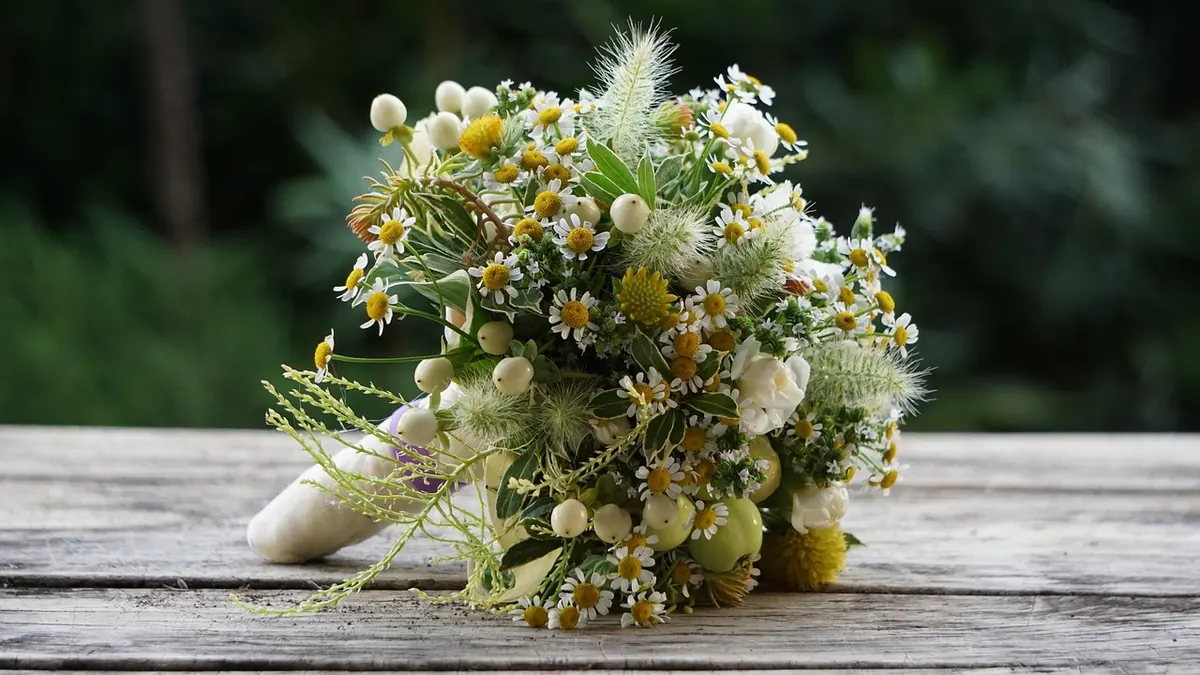
Photo: Heli2963 / Pixabay