A bomboniera is a small object with a large job. It says thank you, marks the day, and then goes home with your guests and lives on a shelf, in a kitchen drawer, or — if you get it right — somewhere people actually see it. For couples planning their first wedding, the whole business can feel surprisingly complicated: how many, how much, what to give, and how not to offend anyone in the process. This guide walks through the decisions in the order you'll actually make them.
Count the Guests Before You Choose Anything
Almost every bomboniera problem starts with the wrong quantity. Before scrolling through catalogues, take the final guest list and count differently than you do for catering. In Italy, favours are often given per couple or per family rather than strictly per person, particularly when the gift is a keepsake object rather than something edible. Ask your venue or your stationer how most weddings in your area handle it — customs vary by region and by family.
Whatever rule you settle on, add a buffer. You will need extras for the photographer, the musicians, the celebrant, the person who did your flowers, and the friend who drove four hours and stayed to stack chairs. A workable approach:
- Count guests and group couples or families into "units" — that's your base number.
- Add 10 to 15 percent for breakage, last-minute guests, and suppliers.
- Add a separate small batch for children, if you're giving them something different.
- Keep five or six untouched in a box at home for the people who couldn't come.
Ask the supplier what their minimum order is and whether they can add to a run later. Some personalised items can be topped up; others, especially anything engraved or printed, cannot.
Set the Budget Per Favour, Not for the Whole Lot
Wedding budgets get slippery when you think in totals. Think in a per-unit figure instead, and remember that the object is only part of the cost. Packaging, ribbon, tags, printing, and delivery often add a meaningful amount on top, and personalisation almost always does. A modest object in a beautiful box reads as more generous than a costly object in a plastic bag.
Decide together who is paying for this line of the budget before you fall in love with something, and be honest about the ceiling. If you're assembling favours at home, price the full kit — jars, labels, ribbon, tissue, boxes — before committing, because the sundries add up faster than the main item. Ordering two or three samples before placing a full order is the cheapest mistake-prevention available to you.
Choose Something People Will Actually Keep
The most successful bomboniere tend to be useful, consumable, or genuinely decorative — and small enough to fit in a handbag. The ones that get left on the table are usually bulky, fragile, or so anonymous that guests can't remember whose wedding they came from.
Consumables are the safe choice: a small bottle of olive oil from a producer you like, a jar of honey, good coffee, a miniature liqueur, a bar of soap that smells wonderful. They get used, they don't clutter, and they travel well. Living favours such as a small succulent or a packet of seeds are charming and photograph beautifully, but check that guests travelling by plane can take them home.
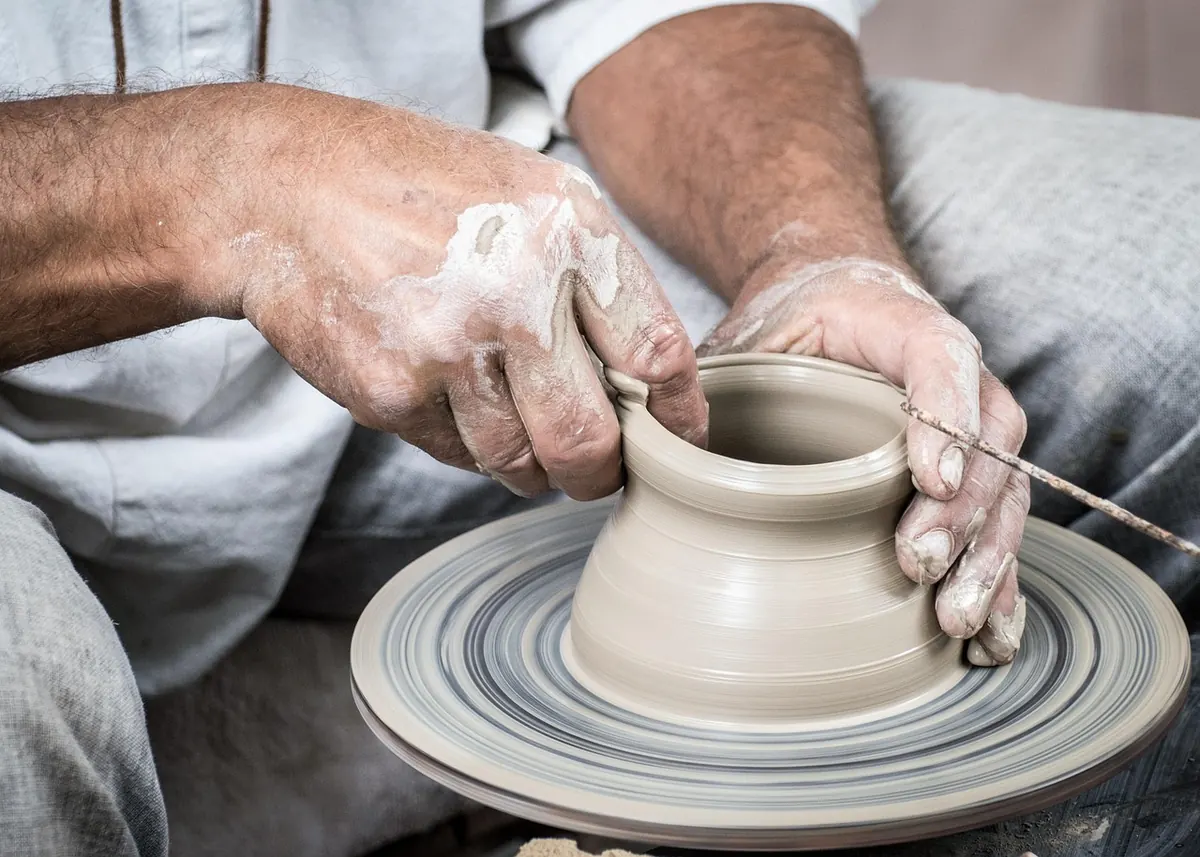
Keepsake objects work when they have a reason to exist. A little ceramic dish, a bookmark, a bottle opener, a linen tea towel, a hand-tied bundle of dried lavender, a wooden spoon — all fine, provided they connect to something. If your wedding is in an olive grove, an olive-oil favour makes sense. If you met at a bookshop, a bookmark does. Guests notice the link even when nobody explains it.
Practical points worth checking
- Weight and size. Anything heavy is a burden for guests on foot or on public transport.
- Fragility. Glass and ceramic need careful wrapping, and some will break in transit.
- Allergens and alcohol. Nuts, dairy and alcohol are worth a small note on the tag if the favour contains them.
- Uniformity. If you're personalising, decide whether every item carries the same tag or individual names — the second costs more and takes longer.
Presentation Does Most of the Work
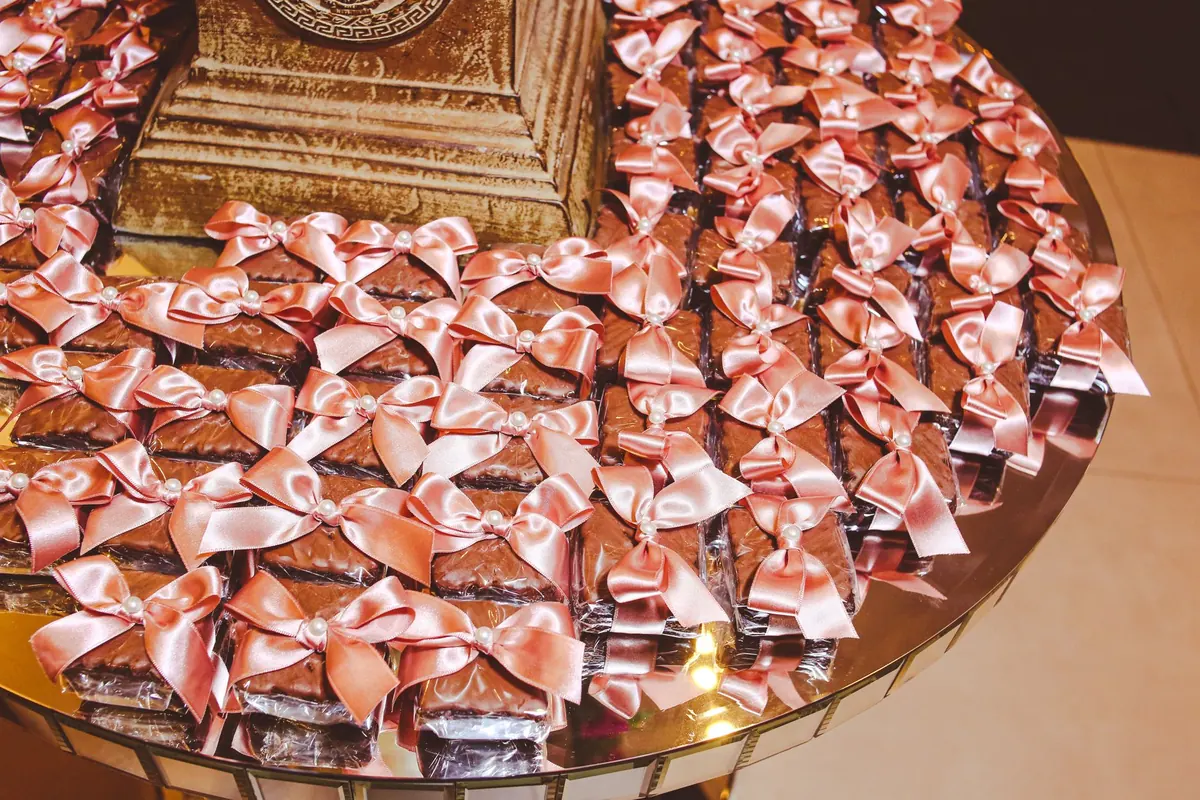
A simple object, wrapped with care, will be remembered longer than an expensive one handed over bare. The essentials are a box or bag that holds the item securely, a ribbon in your palette, and a tag with your names and the date. Keep the tag legible: small handwritten script is lovely in photographs and unreadable in real life.
Think about distribution early, because it affects what you buy. Placing one favour at each place setting is elegant and spreads the work across the room. A basket by the exit lets guests take one as they leave, which suits larger weddings and heavier items. A dedicated bomboniere table, styled with the same flowers as the rest of the room, doubles as a photo moment. Whichever you choose, brief someone — a cousin, a witness, a wedding coordinator — on the plan, and keep spare favours out of sight under a table rather than in a car park.
Respect the Traditions, Then Decide What to Keep
Italian weddings come with expectations attached. Sugared almonds — confetti — remain the classic, traditionally given in odd numbers, with five symbolising health, wealth, happiness, fertility and long life. Many couples keep a small bag of confetti alongside a more modern favour, which satisfies grandparents and still feels like their own wedding. Others skip the almonds entirely; that's a conversation with your families, not a rule.
If the ceremony is in a church, check whether the parish has any preferences about what's distributed. If you're marrying across two cultures, pick the elements you both care about and explain them briefly on the tag or in a short welcome note, so guests from the other side understand what they're holding. And keep the numbers odd if that matters to your family — it costs nothing and means something to them.
Order in Time and Build In a Buffer
Personalised items need lead time. A reasonable order of work: choose your direction two to three months before the wedding, approve a sample a few weeks later, and place the full order with at least a month to spare. Anything engraved, printed, or hand-assembled should be confirmed earlier. When the boxes arrive, open them all and count — damage and shortfalls are much easier to fix four weeks out than four days out.
Assemble in one sitting with help and a clear production line: item, box, tissue, ribbon, tag. It takes longer than you think, and it's more fun with music and someone making coffee.
A Short Checklist Before You Confirm the Order
Run through this once, with your partner, and then stop second-guessing.
- Unit count calculated, plus 10 to 15 percent spare.
- Per-favour budget agreed, including packaging and delivery.
- Two or three samples ordered and handled in person.
- Personalisation wording checked twice — names, date, spelling.
- Allergens and alcohol noted where relevant.
- Distribution plan and a named person to manage it.
- Delivery date confirmed with a buffer, and a box kept at home.
Good bomboniere aren't the most expensive thing on the table. They're the thing your guests take home, use, and remember. Choose something small with a reason behind it, wrap it properly, and order early — that's the whole craft.
Photo: Vidal Balielo Jr. / Pexels